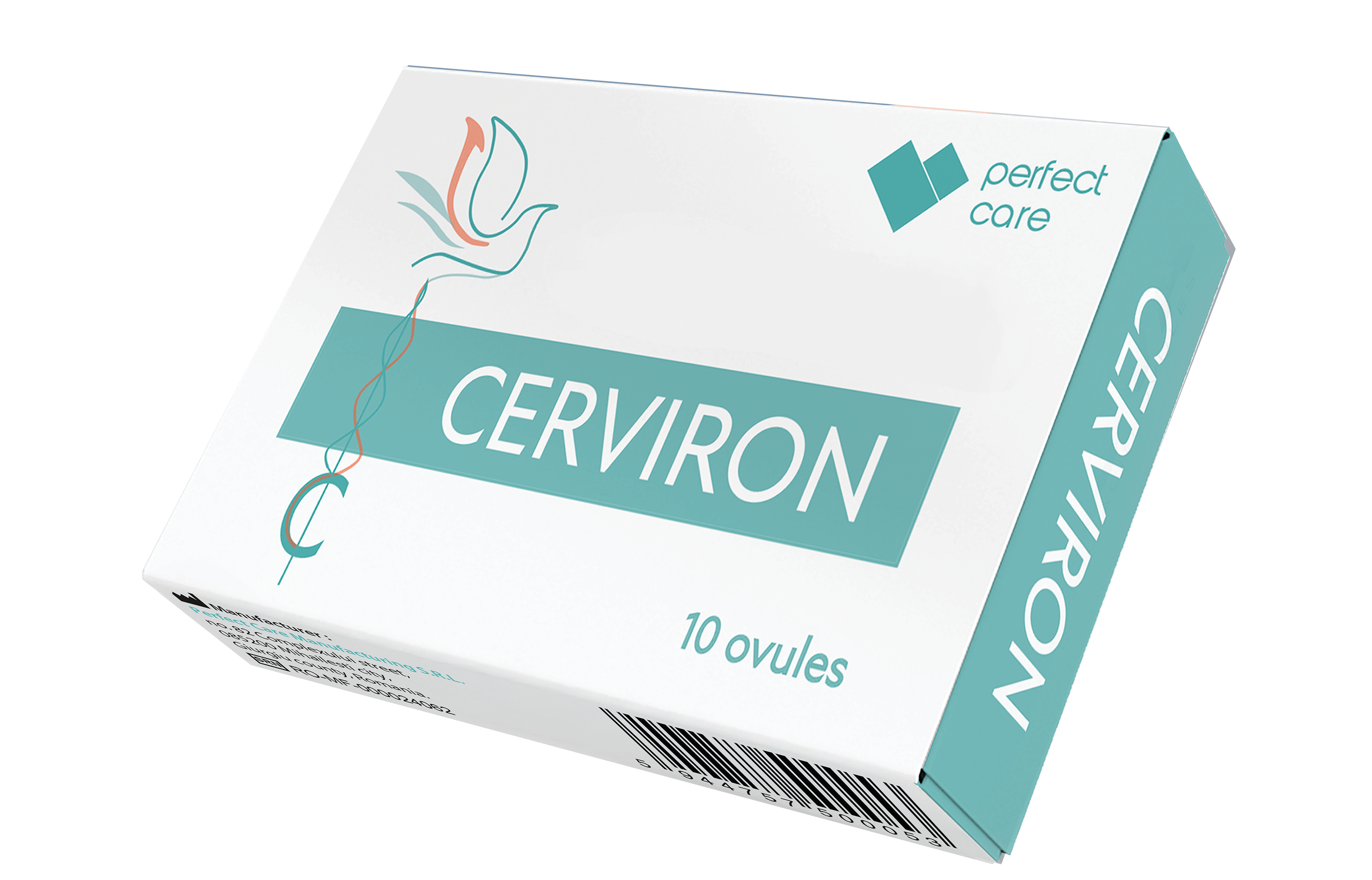
CERVIRON IN THE TREATMENT OF CERVICAL EROSIONS
The cervix acts as a barrier to prevent bacteria and viruses from entering the uterus. When the cervix is affected, there is an increased risk of spreading the infection to the uterus.
Cervical erosion, can be caused by changes in vaginal pH and trauma. It is an inflammation of the cells of the cervix, which occurs when the squamous cells in the opening of the urinary tract turn into columnar cells. This causes irritation, redness and inflammation and is sometimes indistinguishable from early cervical cancer. This problem brings a series of symptoms, such as abnormal secretions, cases of infertility, back pain, bleeding, but also others depending on the body and how it manifests itself in certain diseases “, says Dr. Silviu Istoc, primary obstetrician -gynecologist.
Cervical erosion is a common finding during gynecological examinations, particularly in adolescents, pregnant women, and women of reproductive age. In most young women, it represents a physiological condition rather than a pathological lesion. Cervical ectropion occurs when the endocervical columnar epithelium extends onto the ectocervix, making the glandular tissue visible on the external surface of the cervix. Because this tissue is more delicate than the native squamous epithelium, it may be associated with increased vaginal discharge, contact bleeding, and greater susceptibility to irritation or cervicitis. Although ectropion itself is benign, infectious causes of cervicitis, including Chlamydia trachomatis, Neisseria gonorrhoeae, Mycoplasma genitalium, and Trichomonas vaginalis, should be excluded when clinically indicated.
The findings of a post-marketing study wigth the medical device revealed that administration of Cerviron® vaginal ovules provided a complete degree of epithelization in majority of patients attending a 90-days tretatment. Moreover, subjects presenting a high grade of ulceration at the baseline visit, following treatment with Cerviron® presented a complete degree of epithelization. Cerviron® ovules are an exceptional adjuvant for acceleration of healing of cervical erosions. They favor the re-epithelialization of the damaged tissue and restoration of the initial colpo-ecosystem. Their topical application was observed to be effective in reducing unpleasant symptoms such as vaginal discharge, pelvic pain, and vaginal bleeding.